On a busy jobsite, debris piles up faster than almost anything else. One kitchen gut, a roof tear-off, or a bathroom remodel in a century-old Pottstown home can generate several tons of mixed material in a single afternoon. How you handle that waste is not an afterthought — it affects your schedule, your budget, your safety record, and whether you stay on the right side of Pennsylvania's disposal rules. This guide walks contractors and serious DIY remodelers through disposing of construction and demolition (C&D) debris the right way, from sorting materials to scheduling dumpster swaps that keep your crew moving.
Know Your C&D Debris Before You Toss It
Construction and demolition debris is not one thing. It is a mix of materials with very different weights, recycling paths, and disposal costs. Before the first load hits the bin, it pays to understand what you are actually throwing away. Sorting on the front end saves money at the scale house and keeps recyclable material out of the landfill.
The most common streams on a remodel or build in Pottstown and Montgomery County break down like this:
- Wood — framing lumber, trim, subfloor, and old joists. Lightweight and often recyclable as mulch or biomass, but treated and painted wood may be restricted.
- Drywall — bulky and dusty. Clean gypsum can sometimes be recycled, but wet or moldy drywall is trash.
- Roofing — asphalt shingles are heavy and add up fast on a tear-off. A single square can weigh 250 to 400 pounds.
- Metal — ductwork, pipe, flashing, rebar, and old appliances. Almost always worth separating for scrap value.
- Concrete, brick, and block — extremely heavy. This is where tonnage limits get blown if you are not careful.
In older Pottstown housing stock — the brick rowhomes and Victorians off High Street and along the Route 422 corridor — you will also run into plaster-and-lath. Plaster is deceptively dense; a few walls can weigh as much as a small load of concrete. Old homes also hide surprises like cast-iron radiators and buried chimneys, so plan your debris strategy assuming the demo will produce more weight than you expect.
Roll-Off vs. Dedicated Heavy-Debris Bins
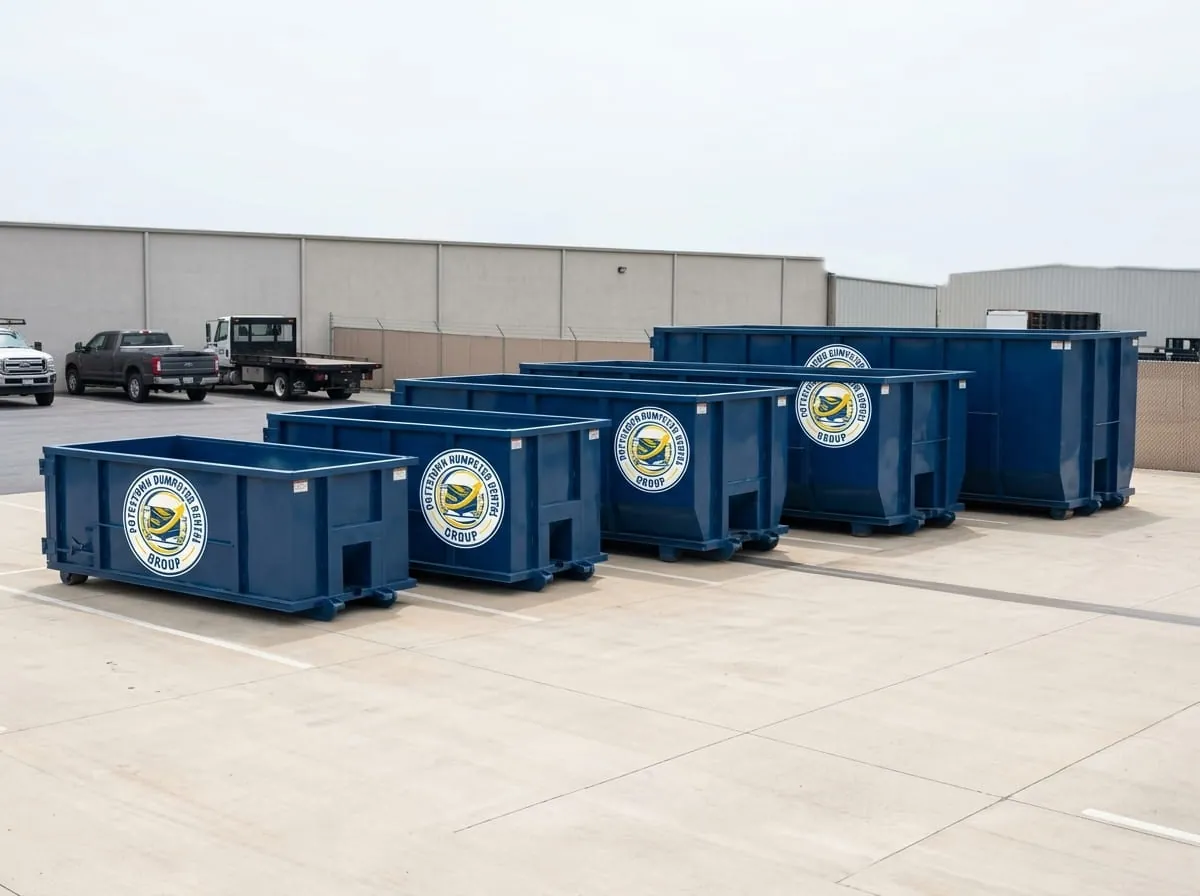
A standard roll-off dumpster is the workhorse of any renovation. It handles mixed C&D debris beautifully: wood, drywall, roofing, insulation, flooring, cabinetry, and general jobsite clutter all go in the same bin. For most remodels and light demolition, a 20- or 30-yard roll-off is the right call, and it is what most crews book first.
The problem starts when the load gets heavy. Roll-offs are volume-rated, but they also carry weight limits. Fill a 30-yard box to the top with clean fill, and the truck legally cannot haul it. That is why heavy, dense materials belong in a dedicated bin.
When to Use a Heavy-Debris Bin
Concrete, brick, block, asphalt, dirt, and stone should go in a smaller heavy-debris dumpster — usually a 10-yard box — rented specifically for that material. Keeping these streams separate does two things: it stays under the truck's axle limits, and it often qualifies the load for cheaper clean-fill recycling rates instead of mixed-waste tipping fees. If your project includes a demo'd patio, a busted foundation, or a driveway pour, ask about our concrete and heavy debris service rather than piling it into your main C&D bin.
The rule of thumb: if you can pick it up easily, it can share the roll-off. If it takes two people and a grunt, it probably needs its own dedicated bin.
Weight Limits and Tonnage: The Number That Bites
Nothing surprises a first-time renter like an overweight fee. Every roll-off comes with an included tonnage allowance baked into the flat rate. Go over it, and you pay per additional ton — a charge that reflects what the transfer station bills us at the scale.
Here is how to keep tonnage under control:
- Segregate heavy material. Keep concrete, plaster, and roofing out of your general bin unless you have confirmed the load can take it.
- Load evenly and low for dense debris. A heavy bin does not need to be full to be over weight.
- Break down bulky-but-light items. Cabinets and framing take up volume, not tonnage — those are your friends for filling space cheaply.
- Ask about the right size up front. A larger box does not mean more allowed weight; it means more volume.
Because Pottstown Dumpster Rental Group works on a flat-rate model with a clear tonnage cap, you know your number before the bin is dropped. If you are unsure how your debris mix will weigh out, call us and describe the job — we would rather size it right than watch you eat an overage.
Recycling C&D Materials and PA Disposal Rules
Pennsylvania takes construction waste seriously, and diverting recyclable material is both good practice and good economics. Under PA Department of Environmental Protection guidance, clean loads of specific materials can be processed at C&D recycling facilities rather than buried — and separated loads frequently cost less to dispose of than contaminated mixed debris.
Materials with strong recycling paths in the region include:
- Clean concrete, brick, and block — crushed and reused as aggregate.
- Scrap metal — often has real resale value at a metal yard.
- Clean wood — chipped for mulch or biomass fuel.
- Cardboard and packaging — from new fixtures and appliances.
Keep in mind that tipping fees at Pennsylvania transfer stations are driven by weight, and certain items are banned from standard C&D disposal entirely — think appliances with refrigerants, tires, batteries, paint, and other hazardous materials. Those need separate handling and cannot ride in the dumpster. When in doubt, ask before you load. A quick call saves a contaminated-load surcharge, which can wipe out the savings from an otherwise clean bin.
Keeping a Jobsite Compliant, Clean, and Safe
A tidy site is a productive site. Debris scattered across a work area is a trip hazard, a fire risk, and a red flag to any inspector who walks through. A well-placed roll-off is the single easiest way to keep a Pottstown jobsite under control.
Good jobsite debris habits look like this:
- Position the bin for the workflow — close to the primary demo zone but clear of the driveway you need for deliveries.
- Load as you go. Do not let piles accumulate; a pile is just deferred labor plus a hazard.
- Protect the driveway. On residential jobs, boards under the bin prevent cracked concrete and unhappy homeowners.
- Do not overfill. Debris above the rim cannot be legally hauled and will delay your swap.
For occupied-home renovations, containing dust and debris also keeps you compliant with any RRP lead-safe requirements — a real concern in Pottstown's pre-1978 housing. Dedicated debris containment is part of doing that work correctly. If you run regular remodels, our construction dumpster rental service is built around keeping contractor sites clean, compliant, and inspection-ready.
Scheduling Swaps to Stay on Schedule
The best debris plan in the world falls apart if the bin sits full while your crew stands around. On a phased project — demo, then rough-in, then finish — debris comes in waves, and your dumpster schedule should match those waves.
A few scheduling principles keep the work flowing:
- Book the swap before you need it. Call for an empty-and-return the day the bin hits three-quarters full, not the moment it overflows.
- Match bin count to crew size. A large demo crew can fill a 30-yard box in hours; two bins or a same-day swap keeps them cutting.
- Plan around winter access. Pottstown winters bring snow, ice, and soft ground. A frozen or drifted driveway can block the truck, so keep the drop zone plowed and clear.
- Account for corridor traffic. With the ongoing growth along the Route 422 corridor, delivery timing matters — we schedule around it so your swap lands when you need it.
Because we run a local, flat-rate, call-only operation, scheduling is a conversation, not a portal. Tell us the phase you are in and when the next debris wave hits, and we will time the swap so your crew never waits on an empty bin.
Disposing of construction debris the right way comes down to knowing your materials, matching them to the right bin, respecting tonnage, recycling what you can, and timing your swaps. Get those right and debris becomes a non-issue instead of a bottleneck. Whether you are gutting an old plaster-walled rowhome or framing a new build off Route 422, we will help you size it, price it flat, and keep it moving. Call Pottstown Dumpster Rental Group at (610) 819-7093 or reach us through our contact page to book your roll-off today.
Founder, Pottstown Dumpster Rental Group — sharing straight advice from more than 15 years of local hauling experience.